
Non-Melanoma Skin Cancer
Non-melanoma skin cancer (NMSC), if detected early, can generally be treated successfully. Here is general information about skin cancer, how to detect it and which therapy options are available at the moment.
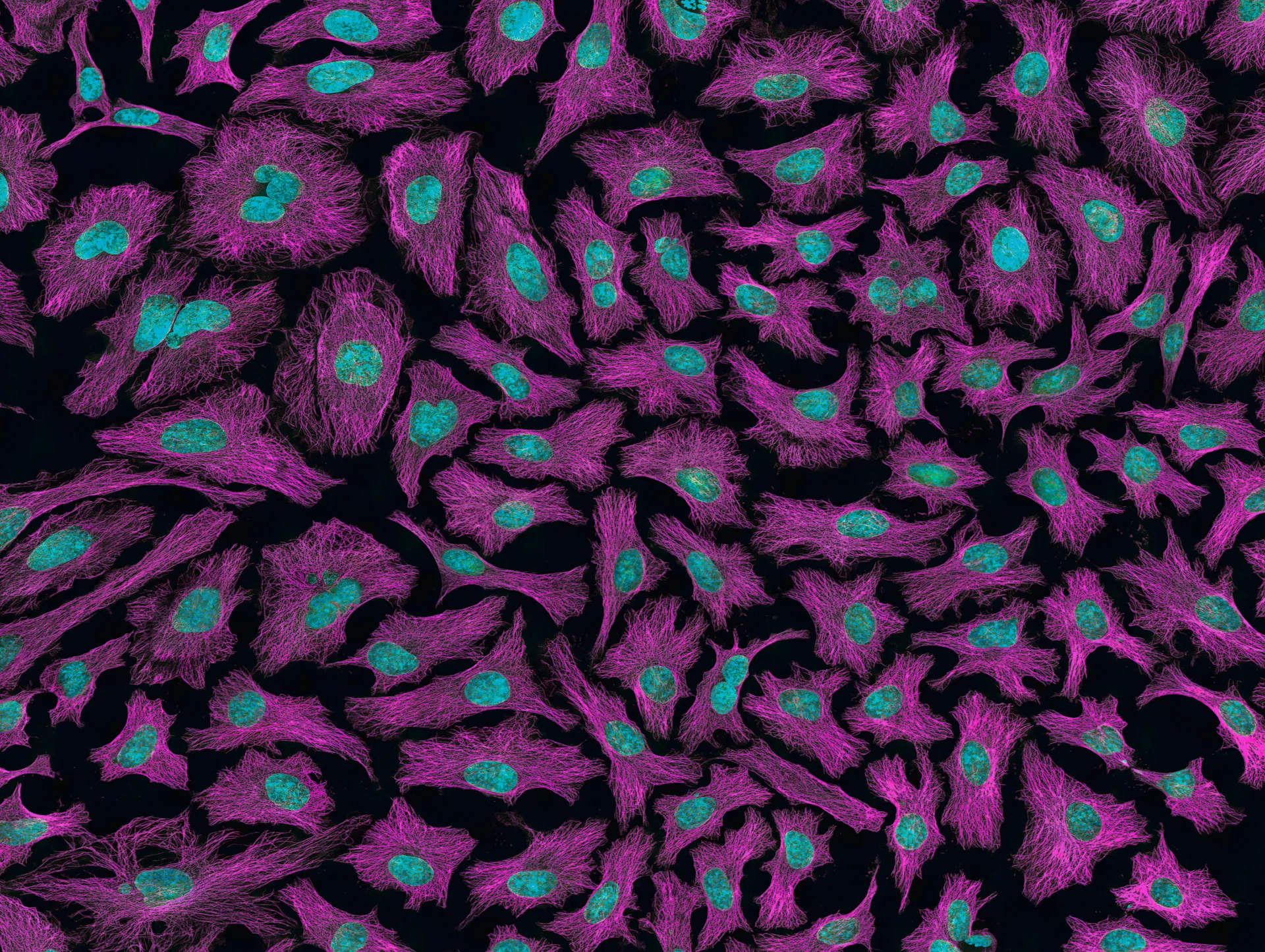
Understanding the different types of skin cancer
A comprehensive overview of the three main types of skin cancer – basal cell carcinoma, squamous cell carcinoma, and melanoma – including their causes, characteristics, and risk factors.
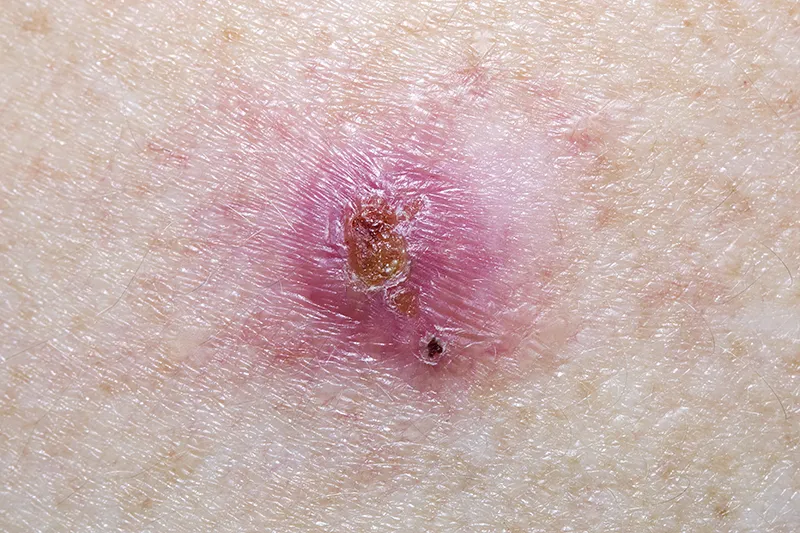
Types of Skin Cancer: Basal Cell Carcinoma (BCC)
Basal cell carcinoma (BCC) is the most common type of skin cancer. It develops from basal cells located in the deepest layer of the epidermis and is most often caused by cumulative exposure to ultraviolet (UV) radiation from the sun or artificial tanning devices. While BCC rarely spreads to other parts of the body, it […]
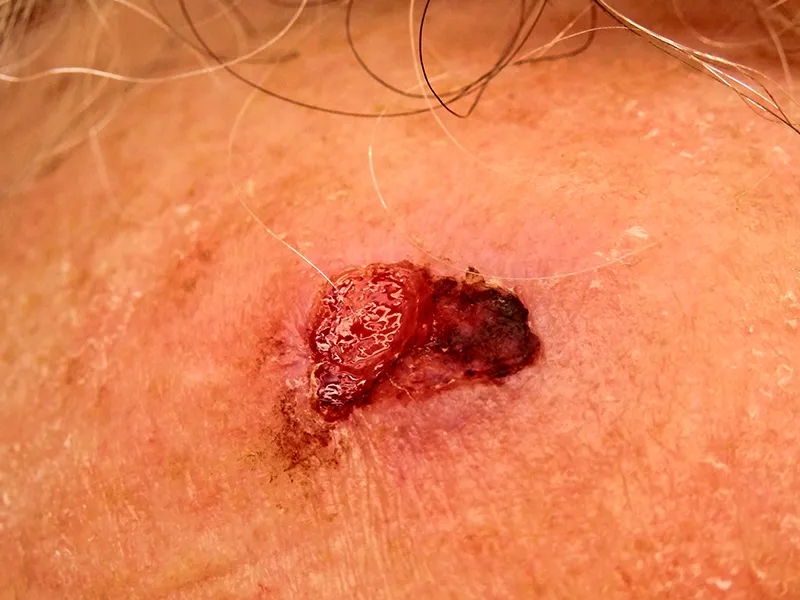
Types of Skin Cancer: Squamous Cell Carcinoma (SCC)
Squamous cell carcinoma (SCC) is the second most common form of skin cancer. It develops from squamous cells in the upper layers of the epidermis and is also strongly associated with cumulative UV exposure. Although many SCCs are successfully treated, some have the potential to grow more rapidly and spread to nearby lymph nodes or […]
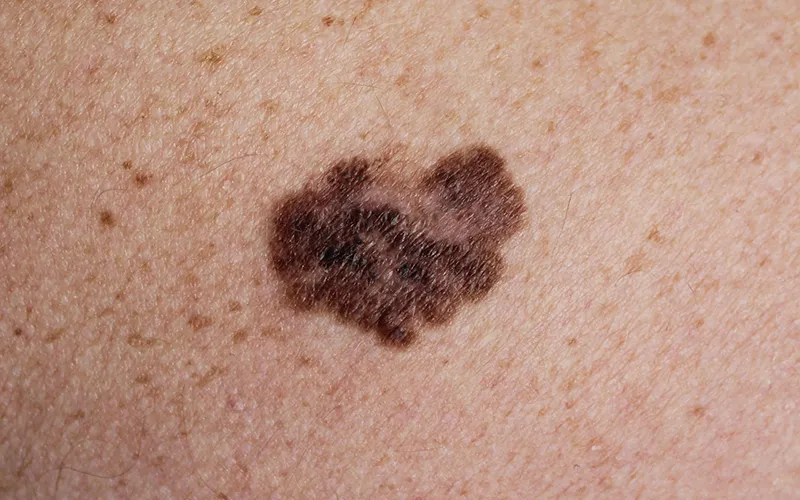
Types of Skin Cancer: Melanoma
Melanoma is the most serious form of skin cancer. It develops from melanocytes, the pigment-producing cells that give skin its colour. Unlike most non-melanoma skin cancers, melanoma has a greater likelihood of spreading to other parts of the body if not detected and treated early. Signs and Symptoms Melanoma often develops from an existing […]

Pharmacological Treatment Options for Non-Melanoma Skin Cancer
A comprehensive guide to pharmacological treatment options for early-stage non-melanoma skin cancer.
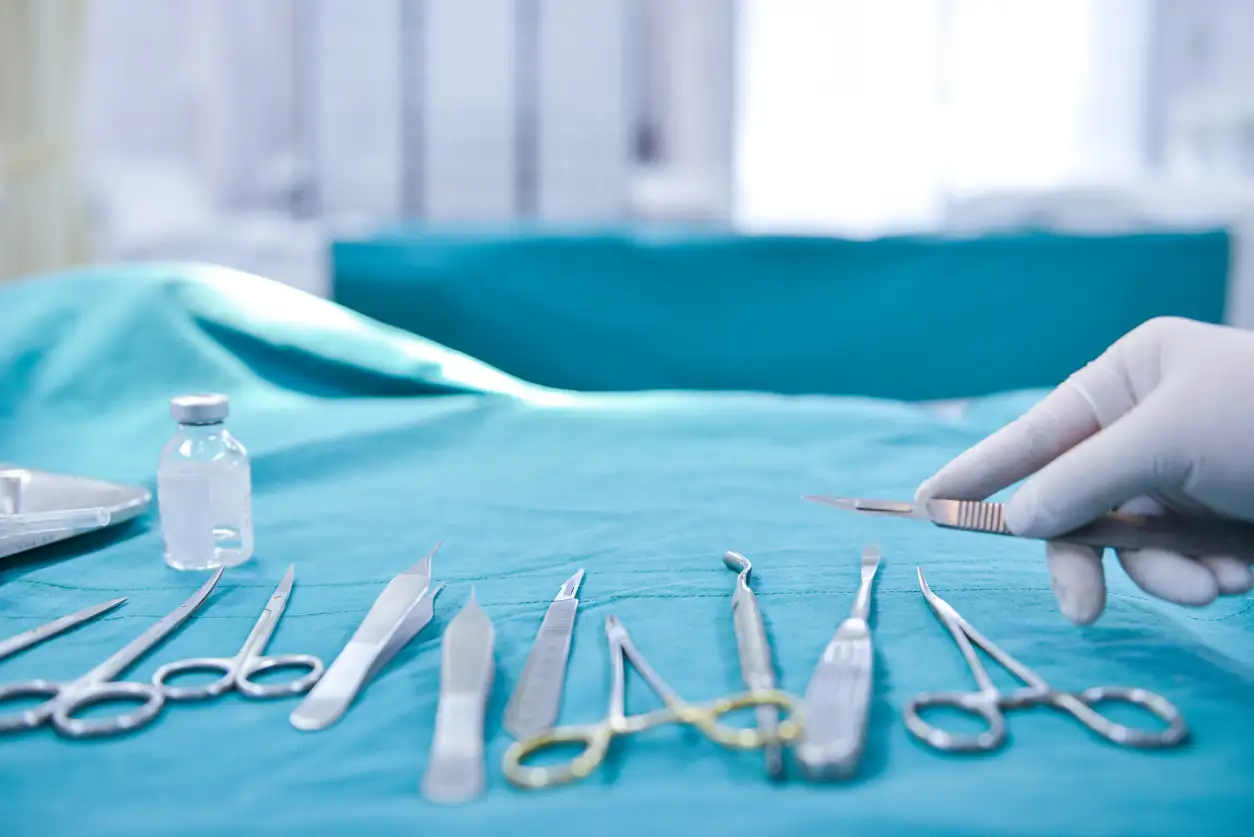
Surgical Treatment Options for Non-Melanoma Skin Cancer
A comprehensive guide to surgical treatment options for early-stage non-melanoma skin cancer.
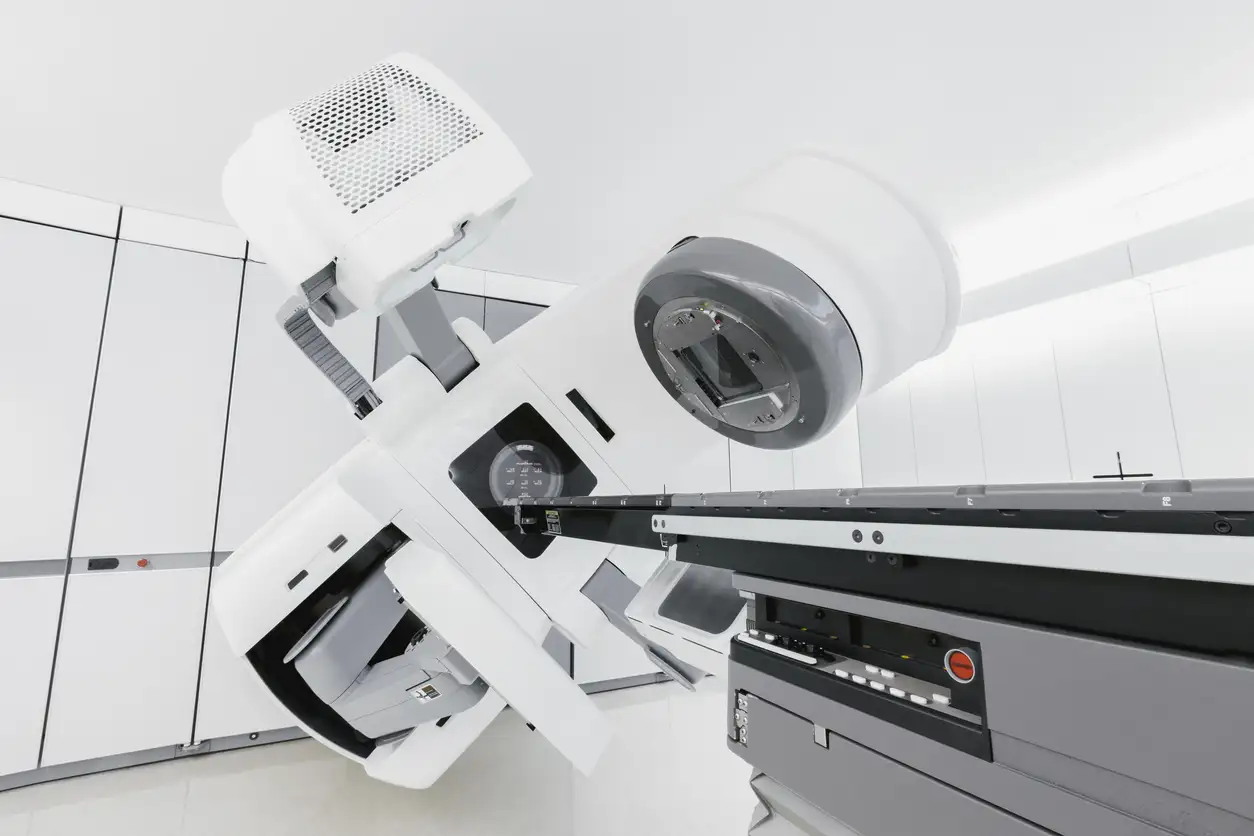
Non-Surgical Therapies for Non-Melanoma Skin Cancer
A comprehensive guide to non-surgical treatment options for early-stage non-melanoma skin cancer.
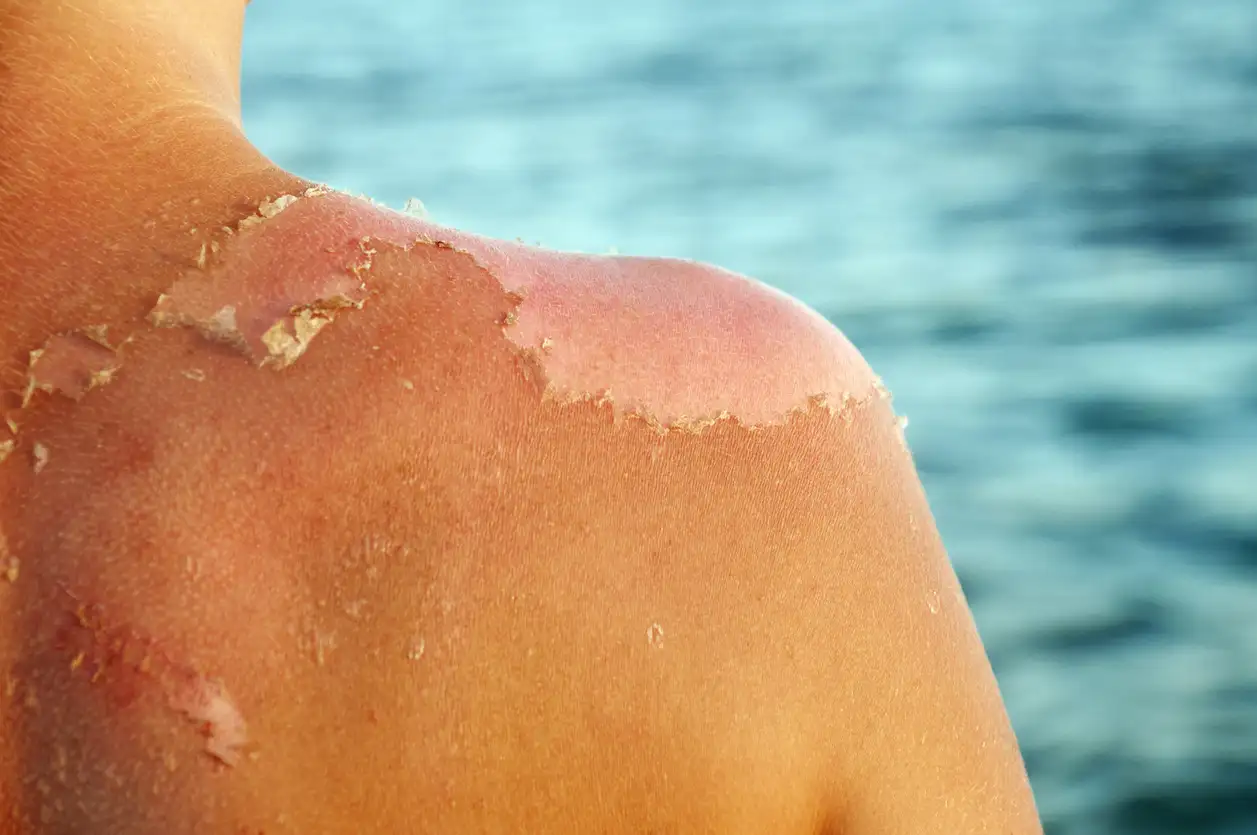
Development of Skin Cancer
An explanation of how UV radiation can lead to different types of skin cancer, with emphasis on risk factors and the importance of early sun protection.
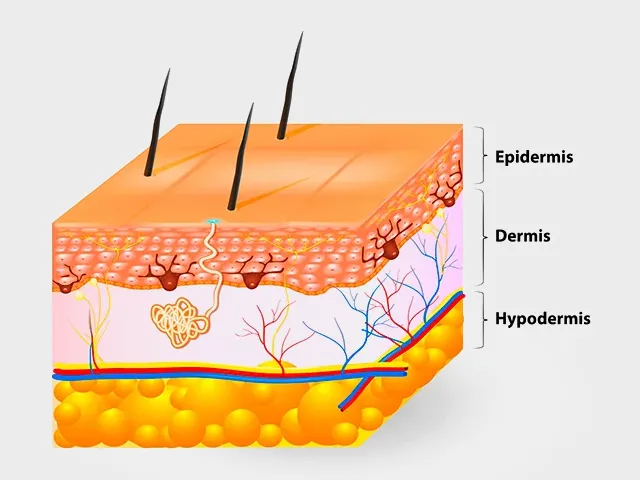
Non-Melanoma Skin Cancer: The Skin
An explanation of the skin’s three main layers (epidermis, dermis, and hypodermis) and their key functions in protecting and regulating the human body.
Diagnosing Non-Melanoma Skin Cancer
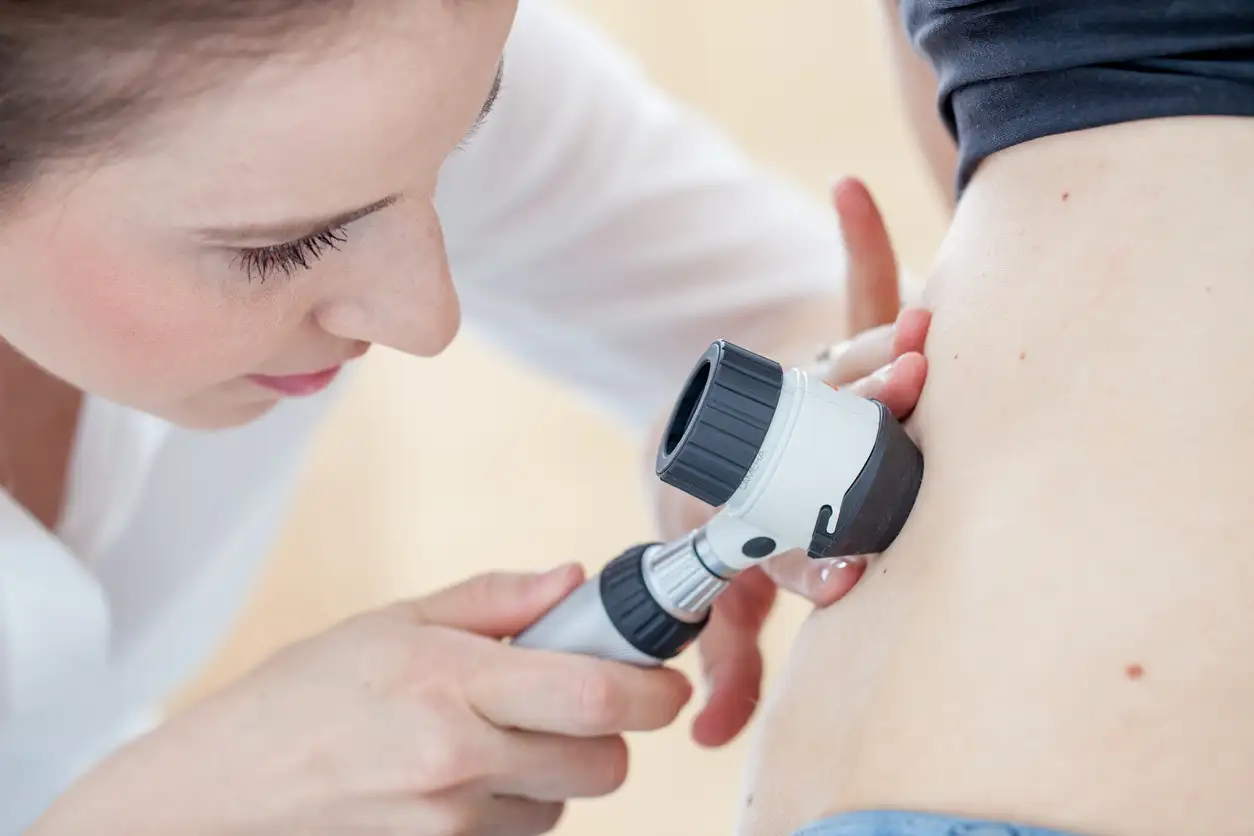
An overview of diagnostic procedures dermatologists use to examine and evaluate suspicious skin changes.
Non-Melanoma Skin Cancer: Risk Factors
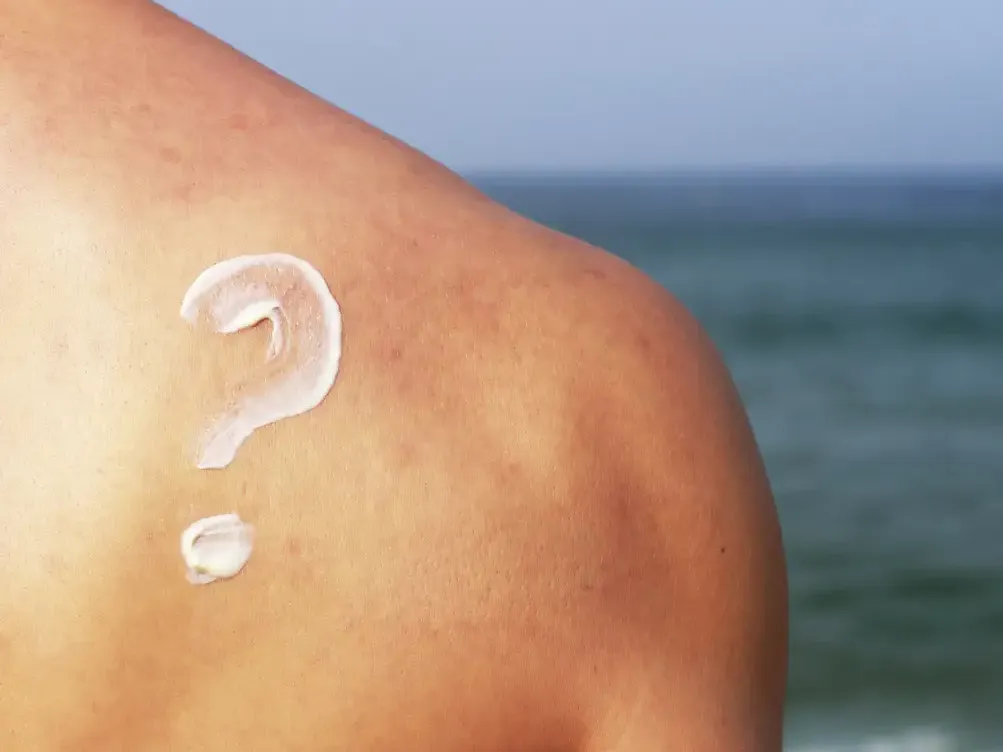
An overview of the main risk factors for skin cancer, focusing on UV radiation types (UVA/UVB), skin type classifications, medications, and hereditary conditions that can increase cancer risk.

Disease Awareness: Most Australians Fail to Undergo Yearly Skin Checks, According to Recent Research
New research reveals over half of Australians haven’t had professional skin checks recently, while also highlighting patient preferences for non-invasive skin cancer treatments.
Podcast: Treating Non-melanoma Skin Cancer with the Non-invasive, Single Session Approach Rhenium-SCT
Hosted by Sue Saville, and with guest speakers Joe Cardaci and Siddhartha Baxi.
Meet the Expert: Dr Prof Paolo Castellucci
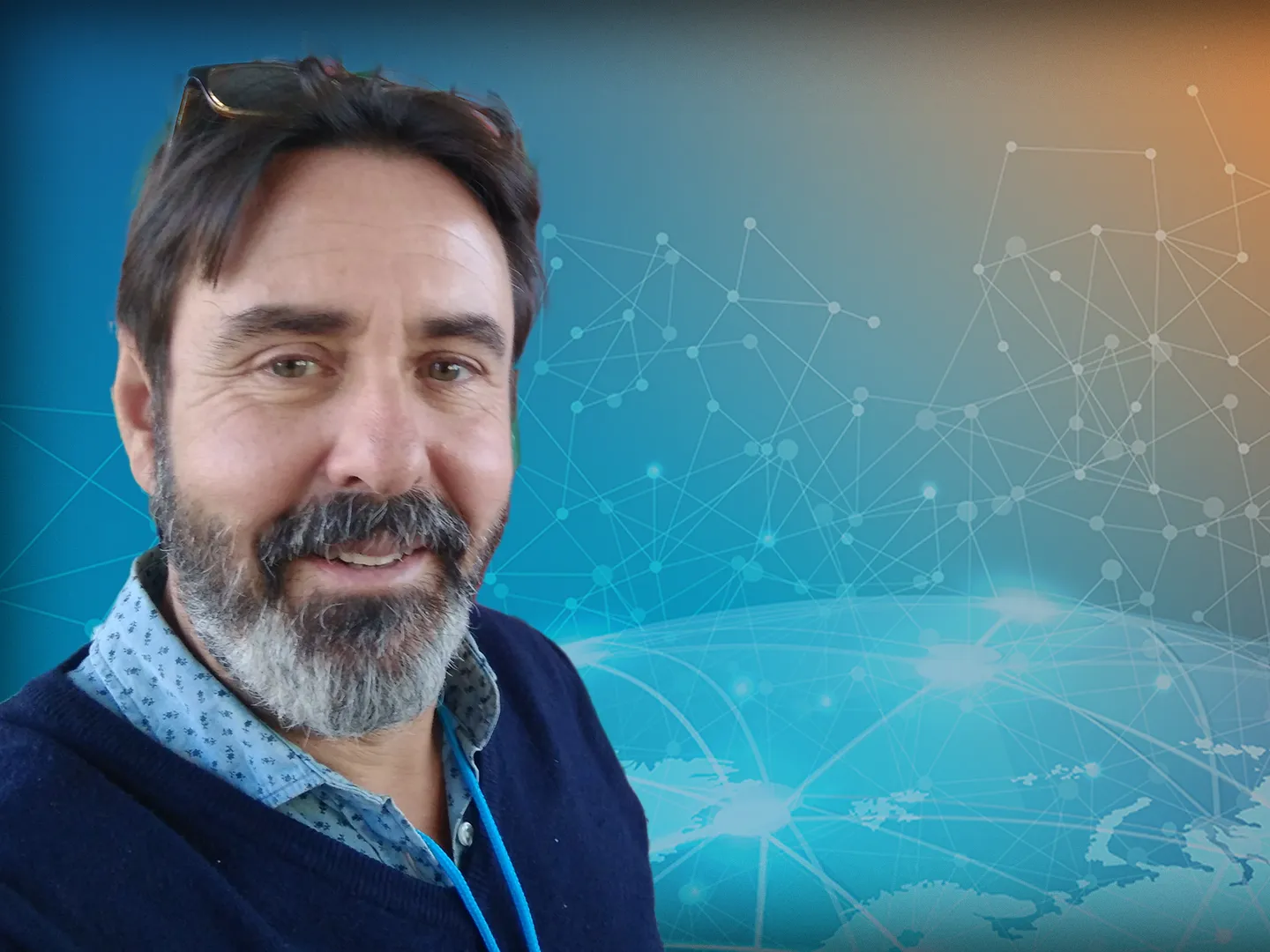
Dr Prof Paolo Castellucci, Chairman of the International Registry and Nuclear Medicine Physician, answers some interesting questions about the International Registry.
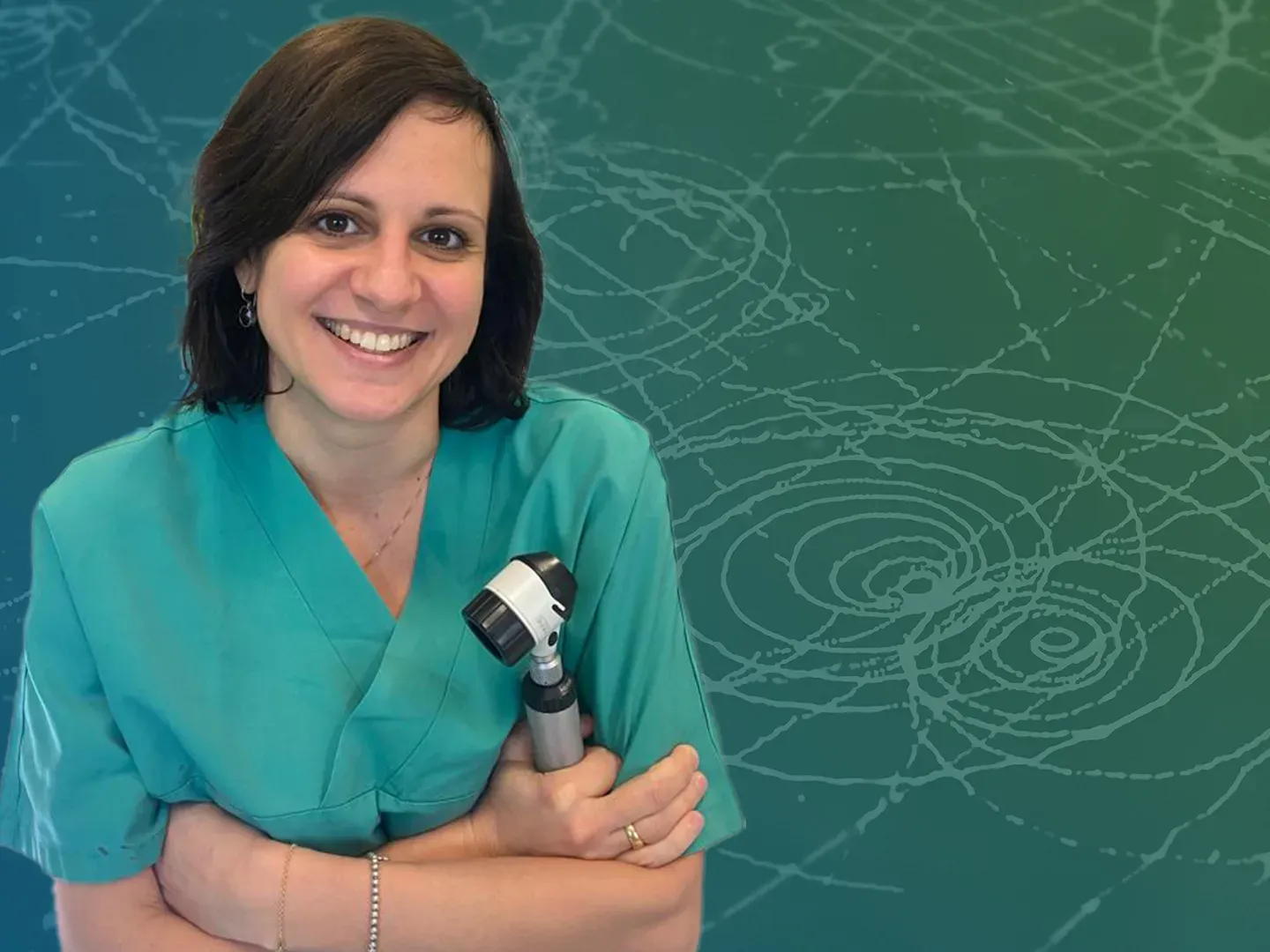
Meet the Expert: Dr. Carlotta Baraldi
Dr Baraldi, dermatologist in Bologna, answers some of the most frequently asked questions by physicians regarding skin cancer and treatment with Rhenium-SCT.
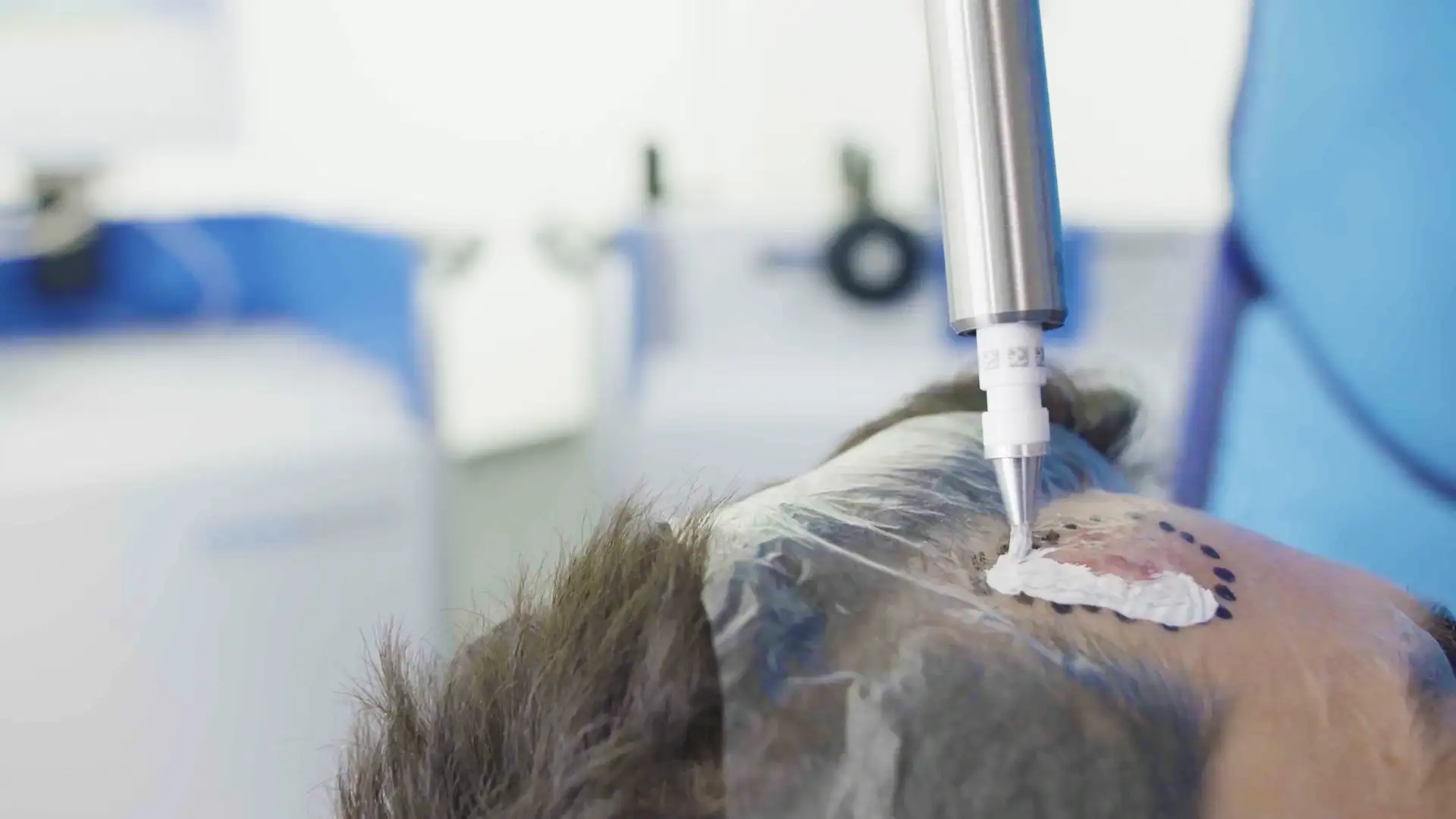
Non-Melanoma Skin Cancer: A Summary of Available Treatment Options
Looking to understand your skin cancer treatment options? Today we’ll explore the most effective treatments available for non-melanoma skin cancer, from traditional surgery to cutting-edge radiation therapies.
Looking for More Information?
If you'd like to learn more about skin cancer treatment options, patient resources, and what to expect during care, visit our Patients section. You can also search for a Treatment Centre near you.